Newly released study compares Carbon Footprint of Recycled Antifreeze vs. Virgin Antifreeze
ORG CHEM Group commissioned a study to compare the carbon footprint of its recycled antifreeze vs. virgin antifreeze. The carbon footprints were measured by analyzing energy consumption from the two processes. The results pointed to recycled antifreeze having a lower carbon footprint.
ORG CHEM Group commissioned a study to compare the carbon footprint of its recycled antifreeze vs. virgin antifreeze. The carbon footprints were measured by analyzing energy consumption from the two processes. The results pointed to recycled antifreeze having a lower carbon footprint. Fleet managers can help meet their organizations' scope 3 greenhouse gas emissions reduction targets by purchasing recycled antifreeze.
Recycled antifreeze fits within many purchasing guidelines, like those followed by the US government. Furthermore, recycled motor oil serves as a precedent for recycled chemical products that took time to gain acceptance and are now commonplace.
Due to data limitations, a cradle-to-grave comparison was not possible, making the following comparison conservative. Despite the conservative approach, results indicate that recycled antifreeze can help reduce and meet scope 3 emission reduction targets.
The carbon footprint of the recycled EG antifreeze was 28% less than virgin refined EG antifreeze based on the cradle-to-gate comparison conducted.
________________________________________
Table 1: Emissions comparison
________________________________________
Virgin EG (kg CO2e/gal) = 6.026
ORG CHEM Group's recycled EG (kg CO2e/gal) = 4.339
% Difference = 28%
________________________________________
Several differences in available information (explained within the report) precipitated a conservative approach for comparing the two products.
The lower carbon footprint of recycled antifreeze in this case can assist organizations that seek to reduce their overall carbon impact, particularly with lowering scope 3 emissions achieved by purchasing less carbon intensive products.
ORG CHEM Group is a technology based, environmentally conscious company that specializes in recycled antifreeze and the distillation of numerous types of materials with an emphasis on high boiling or heat sensitive materials.
For more information, contact Mark Buczek, mbuczek@chem-group.com or visit www.chem-group.com
Featured Product
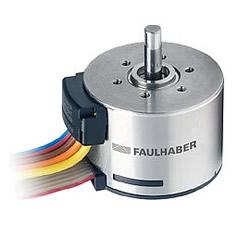
FAULHABER Drive Systems at the Robotics Summit & Expo in Boston from April 30 to May 1 in Hall C at Booth 534
Faulhaber will be presenting their drive systems for robotics and smart technology. Robots are versatile and can be found in many areas, for example, transporting goods, operating on patients or supporting the agriculture industry. With the help of robots, processes can be automated, the flow of materials optimized and employees relieved. Equipped with FAULHABER drive systems, these robots can take on tasks where the demands on function and applications are high.