Reliable, easy-to-use Roxtec sealing solutions reduce field installation time of FANUC painting robots.
Reducing installation time from four weeks to just four days
FANUC Robotics America is committed to cutting business costs. One way of achieving that objective is to eliminate time required for field installation of the company's painting robots used extensively within automotive and numerous other manufacturing facilities. Remarkably, they have done so in dramatic fashion, reducing installation time from four weeks to just four days!
A key to this success has been the use of Roxtec cable seals. These seals minimize the risk of field installation failure, protect the equipment, and improve the robot life cycle.
Randall Schroeder, Manager of Controls Engineering & Product Operations at the Paint Shop Automation Group of FANUC Robotics explains that reduction of installation time is made possible because a large number of cable glands and cord grips can be replaced with just a few easy-to-use Roxtec seals.
Roxtec seals further meet the demands of FANUC's customers for speed and efficiency by eliminating the need for reworks in the field. Because pressurized paint robots must be gas-tight, cable seal reliability, made possible by Roxtec, protects entire systems.
Each component is approved for hazardous areas and contributes to nonstop operations. Roxtec seals secure operational reliability in motors and controls and help ensuring overall cost-efficiency.
Suppliers to FANUC Robotics have also discovered the benefits of Roxtec sealing solutions. EDSI, Engineering Design Services Inc., manufacturers of the main control enclosures for FANUC painting robots, use the Roxtec EZEntryTM cable entry seal on top of enclosures to simplify cable routing, enabling EDSI to deliver cabinets and enclosures that remain tight, look clean, and withstand the washing of the paint booth.
Featured Product
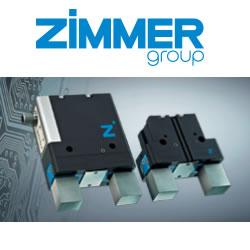
Zimmer Group - THE PREMIUM GRIPPER NOW WITH IO-LINK
IO-Link is the first standardized IO technology worldwide for communication from the control system to the lowest level of automation.