Why Co-Parenting With Telepresence Robots Could Be a Fantastic Idea
 Heather Knight for IEESpectrum: There’s always something heart-wrenching when parents have to be far away from their children. Sometimes parents travel. Sometimes separated parents split time with the kids.
Maybe telepresence robots can help.
This article explores some of the potential benefits and challenges of using telepresence robots as a co-parenting tool. To my knowledge, there is only one research instance of this [pdf], so a lot of questions remain to be answered. What is clear is that there are reasons why co-parenting with telepresence robots could be a fantastic idea, and reasons that this could be terrible. Let’s start with the fantastic.
Why Robots Are Better Than Skype
Let’s review some shortcomings of Skype, FaceTime, and similar applications when they are used for communicating with younger children.
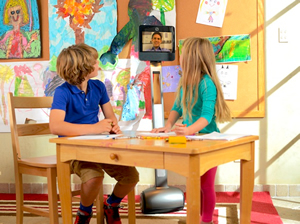
Screens feel distant: The benefit of robots over screen-based communication is that they are physically present. A six-month-old might ignore mommy or daddy on the screen, but find parent-robot delightful. A more companionable parent “avatar” might help distant parents feel closer to their kids. The robot doesn’t need to be particularly complex — Skype-on-a-stick is a great way to begin —because just the fact that it can move through the space will change the way kids interact with it. Full Article:
Comments (0)
This post does not have any comments. Be the first to leave a comment below.
Featured Product