Achieving Superior Vision in Robotics with Automation in Low Light USB 3.0 Camera
In the realm of robotics, vision is paramount. The ability to see and interpret the environment is a cornerstone of robotic functionality, enabling machines to perform tasks with precision and accuracy. However, achieving superior vision in robotics, particularly in low-light conditions, poses significant challenges. This is where advancements in technology, such as low light USB 3.0 cameras, come into play, revolutionizing robotic vision and automation.
The Importance of Vision in Robotics
The Role of Low Light USB 3.0 Cameras
Low light USB 3.0 cameras are engineered to overcome the limitations of conventional cameras in dimly lit environments. These cameras leverage advanced sensor technology and high-speed data transfer capabilities to deliver superior image quality, even in challenging lighting conditions. By utilizing low light USB 3.0 cameras, robotics systems can achieve enhanced vision, ensuring reliability and accuracy in various applications.
Key Features and Benefits
1. Enhanced Sensitivity and Image Quality
Low light USB 3.0 cameras are equipped with highly sensitive sensors that can capture clear images with minimal noise, even in low-light scenarios. This is crucial for applications where precision is non-negotiable, such as medical robotics and automated quality inspection in manufacturing.
2. High-Speed Data Transfer
The USB 3.0 interface provides significantly faster data transfer rates compared to its predecessors. This allows for real-time image processing and analysis, enabling robots to make quick and accurate decisions. The high bandwidth of USB 3.0 ensures that even high-resolution images can be transmitted without lag, maintaining the efficiency of the robotic system.
3. Versatility and Integration
Low light USB 3.0 cameras are versatile and can be easily integrated into various robotic platforms. Their compact size and plug-and-play functionality make them ideal for a wide range of applications, from drones and autonomous vehicles to industrial robots and security systems.
4. Cost-Effectiveness
Investing in low light USB 3.0 cameras can be more cost-effective in the long run. Their superior performance in low-light conditions reduces the need for additional lighting equipment, lowering overall system costs and power consumption.
Applications of Low Light USB 3.0 Cameras in Robotics
1. Industrial Automation
In manufacturing, low light USB 3.0 cameras play a critical role in automated quality inspection. These cameras ensure that even in poorly lit factory environments, products are inspected with high accuracy. They help in identifying defects, measuring dimensions, and verifying product integrity, leading to improved quality control and efficiency.
2. Autonomous Vehicles
Autonomous vehicles rely heavily on vision systems to navigate and make decisions. Low light USB 3.0 cameras enhance the vehicle's ability to operate safely in low-light conditions, such as during nighttime or in poorly lit areas. This improves the overall safety and reliability of autonomous driving systems.
3. Medical Robotics
In medical robotics, precise and reliable vision is essential for tasks such as surgery and diagnostics. Low light USB 3.0 cameras provide the clarity needed for detailed visualization, aiding surgeons in performing complex procedures with enhanced accuracy and minimal invasiveness.
4. Surveillance and Security
Security systems benefit from low light USB 3.0 cameras by offering superior performance in low-light environments. These cameras enable robust monitoring and detection capabilities, ensuring that security systems remain effective around the clock.
Future Trends and Innovations
The integration of low light USB 3.0 cameras in robotics is just the beginning. Future trends point towards further advancements in sensor technology, artificial intelligence, and machine learning. These developments will enhance the capabilities of low light cameras, enabling even more sophisticated and intelligent robotic vision systems.
Artificial Intelligence and Machine Learning
By incorporating AI and machine learning, low light USB 3.0 cameras can become even more powerful. These technologies can enable cameras to adapt to varying lighting conditions dynamically, improving image quality and processing efficiency. AI-driven image analysis can also provide deeper insights and more accurate interpretations of visual data.
Miniaturization and Enhanced Connectivity
As technology advances, low light USB 3.0 cameras will continue to become smaller and more efficient. Enhanced connectivity options, such as wireless data transfer and cloud integration, will further expand their applications and ease of use in robotics.
Conclusion
Achieving superior vision in robotics is pivotal for the advancement of automation and intelligent systems. Low light USB 3.0 cameras represent a significant leap forward, offering enhanced sensitivity, high-speed data transfer, versatility, and cost-effectiveness. By integrating these advanced cameras, robotic systems can perform with greater precision and reliability, even in challenging low-light conditions. As technology continues to evolve, the future of robotic vision looks brighter than ever, paving the way for innovations that will transform industries and improve our daily lives.
Featured Product
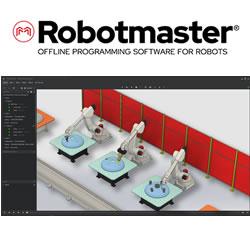
Robotmaster 2024
Program multi-robot cells and automatically solve robotic errors with ease. Hypertherm Associates announces a new version to its robotic programming software. Robotmaster 2024 addresses key market trends including the support for programming multiple robots in a single work cell and the demand for automatic trajectory optimization and robotic error correction.