Filics secures €13.5M in financing to expand and roll out its robotics platform

The "Filics Unit" is the first product and consists of two omnidirectional robots that have been specially developed for handling Euro pallets. The system moves autonomously through the warehouse, traveling under pallets and transporting them.
How to Choose the Right NDT Methods for Robotics Manufacturing
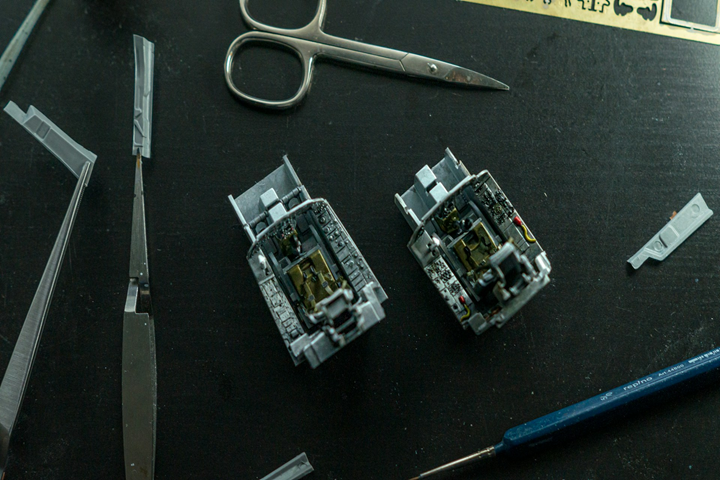
With so many NDT options available, the best one depends on the specific materials and functions in question. As a result, it is often most helpful to vary methods between components.
ABB introduces most compact, AI-powered AMR for payloads up to 1500 kg
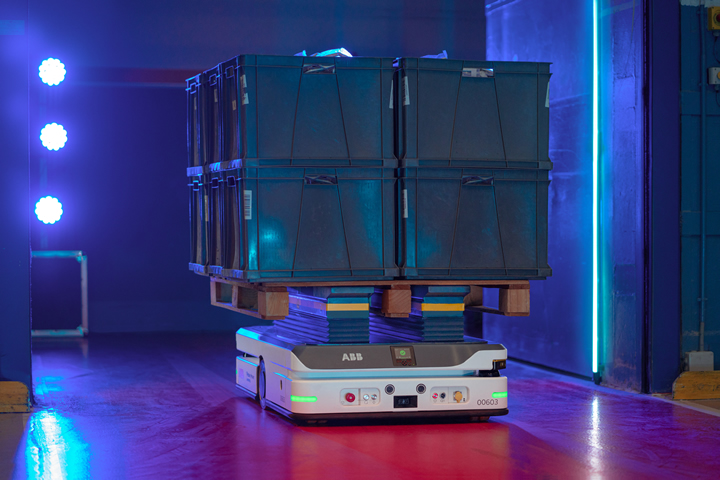
AI-driven Visual SLAM and integrated load sensing enable stable and autonomous navigation, including in challenging conditions. AMR Studio 4.0 version simplifies deployment with no-code programming and real-time fleet management
DESTACO Unveils the eRDH Series Electric Parallel Gripper: The Future of Automated Handling
This latest addition to the DESTACO Robohand product line represents a significant leap forward in gripping technology, offering unparalleled precision, flexibility, and ease of use.
How AI, Robotics, and Automation Power Next Generation Pack Assembly
.jpg)
Successful pack assembly systems balance throughput, quality, and safety in real time. Integration matters more than buying the most sophisticated robots; it comes down to seamless software logic, modular failover paths, and smart system design.
How Is Modular Robot Design Reshaping Factory Automation?
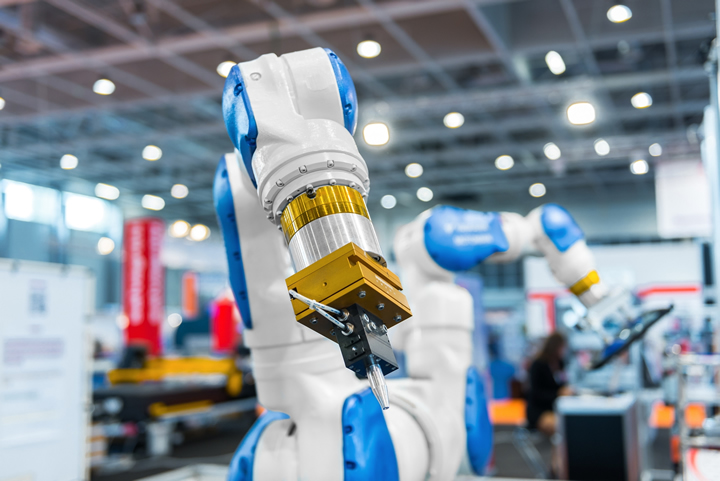
How industrial robots work constantly adapts to increased demand and novel technologies, but it enhances automation potential the most. What is shifting and how can production engineers and electronics experts in these sectors fully leverage the benefits?
System lets robots identify an object's properties through handling
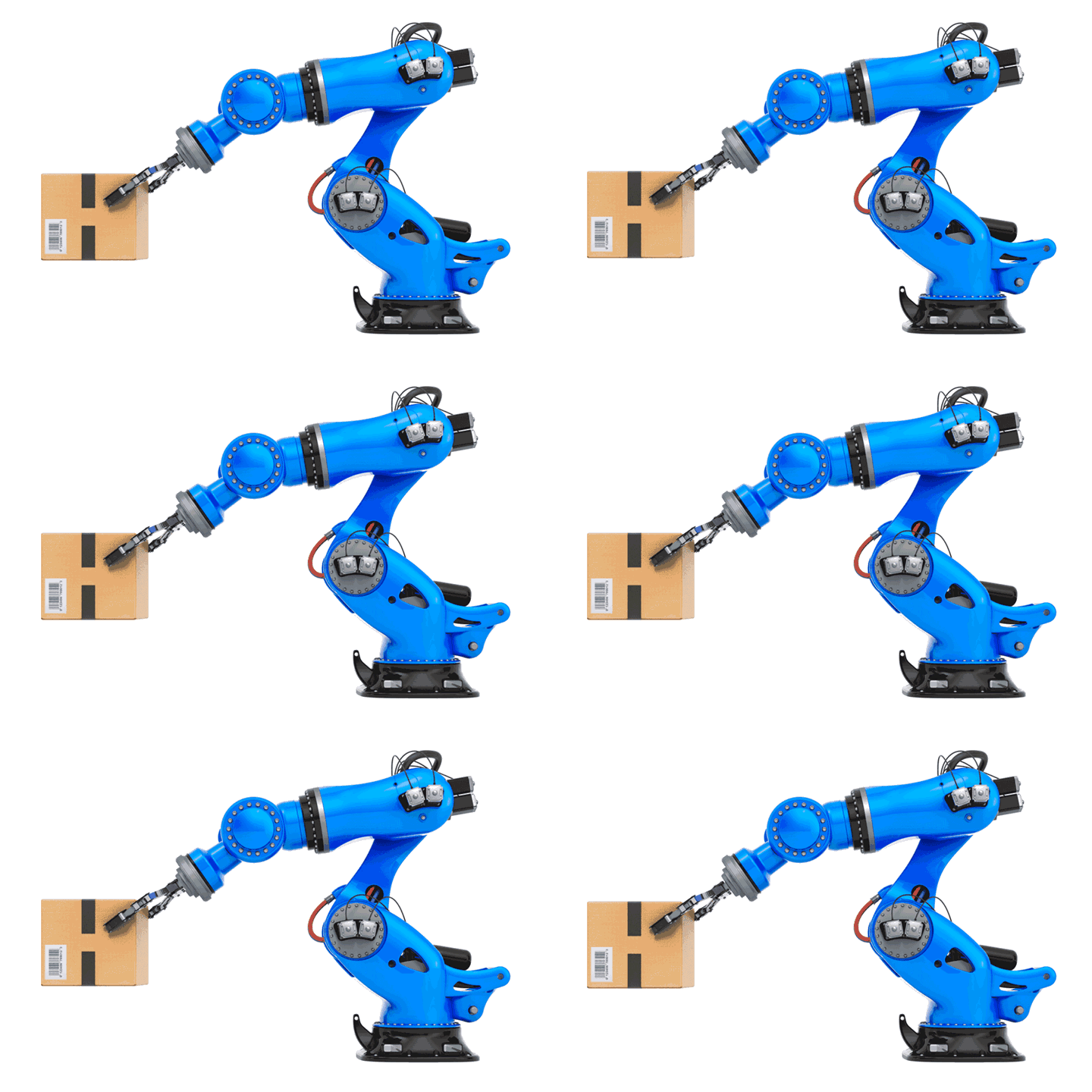
With a novel simulation method, robots can guess the weight, softness, and other physical properties of an object just by picking it up.
ForwardX Deploys 435 AMRs at Chery Automobile's Dalian Factory
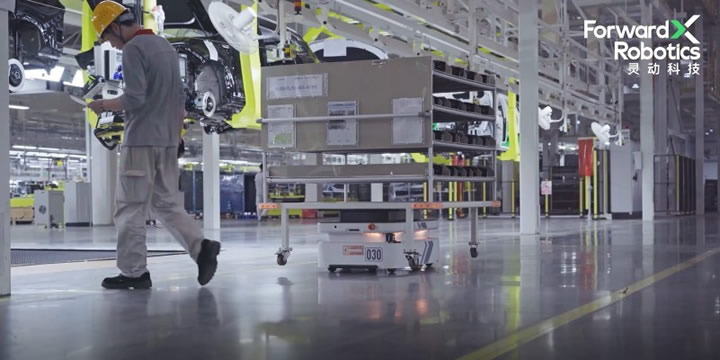
435 AMRs are now live at Chery's Dalian factory, transforming internal logistics and setting a new benchmark for scalable, intelligent automation in the industry.
OMRON Introduces the OL-450S - A Complete Autonomous Mobile Robot Solution for Material Handling
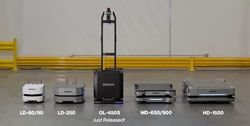
Featuring an integrated lifting plate, advanced navigation, and centralized fleet management, the OL-450S offers a complete solution for automating material transport in automotive, semiconductor and electronics, food and household goods, and other fast-paced industries.
Shibaura Machine unveils complete robotics line automation at Automate 2025
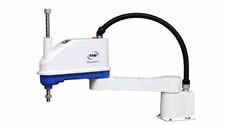
At Automate 2025, the company will display all four models from the range: the THE400, THE600, THE800 and THE1000. The compact THE400 is ideal for fast, precise operations in assembly and inspection processes, particularly within the electronics and automotive sectors.
"Robotics is About People - Why You Need Change Management"
.jpg)
Success in robotics is fundamentally about people, which is why change management is crucial for any organization considering RPA implementation.
Fizyr, Cognibotics and Zivid Deliver World's Fastest Automated Bin Picking Solution

The Zivid 2+R-series camera captures true-to-reality point clouds, even when presented with shiny and transparent objects, in under 150 milliseconds ensuring it does not limit the cycle time of the Cognibotics HKM1800
Stretch Helps Gap Inc. Deliver for Its Customers
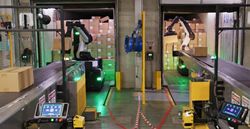
By having Stretch take on the physically demanding task of unloading trailers stacked floor to ceiling with boxes, the company has reduced injuries, lowered turnover, and watched employees get excited about automation intended to keep them safe.
A3 Releases Vision for a U.S. National Robotics Strategy

Strategy outlines key policy priorities, including establishing a central Robotics Office and Robotics Commission, to strengthen U.S. competitiveness in robotics, drive innovation, and support workforce development
NGen, Humber Polytechnic, and Festo Didactic Showcase Canadian Skills at Hannover Messe 2025

NGen, Festo Didactic and Humber Polytechnic, a leading Canadian post-secondary institution known for its career-focused, hands-on approach to education, are partnering to demonstrate the strength of Canadian mechatronics skills at Hannover Messe.
Records 1 to 15 of 435
Factory Automation - Featured Product
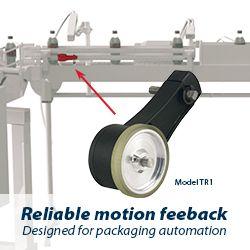
Model TR1 Tru-Trac
The Model TR1 Tru-Trac® linear measurement solution is a versatile option for tracking velocity, position, or distance over a wide variety of surfaces. An integrated encoder, measuring wheel, and spring-loaded torsion arm in one, compact unit, the Model TR1 is easy to install. The spring-loaded torsion arm offers adjustable torsion load, allowing the Model TR1 to be mounted in almost any orientation - even upside-down. The threaded shaft on the pivot axis is field reversible, providing mounting access from either side. With operating speeds up to 3000 feet per minute, a wide variety of configuration options - including multiple wheel material options - and a housing made from a durable, conductive composite material that minimizes static buildup, the Model TR1 Tru-Trac® is the ideal solution for countless applications.