China's Big Bid For Germany's Industry 4.0 Technology
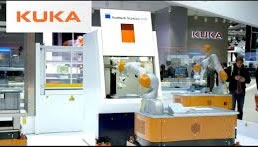 Klaus E. Meyer for Forbes: Midea, the Chinese household appliances (“white goods”) manufacturer just made what analysts called an ‘incredibly high’ bid for German robot maker Kuka. This acquisition would take the Chinese investor right to the heart of Industry 4.0 : Kuka is a leading manufacturer of multifunctional robots that represent an important building block for enterprises upgrading their factories with full automation, the latest human-machine interface functionality, and machine-to-machine communication. Midea want a 30% stake in Kuka and have offered €115 per share. Kuka’s shares traded at €84 the day before and had already increased 60% since the beginning of the year. This offer values Kuka at €4.6 billion, which means Midea’s 30% stake would be worth €1.4 billion – on par with Beijing Enterprise’s February 2016 takeover of recycling company EEW which was the largest Chinese acquisition of a German firm to-date.
Midea’s takeover bid underscores Chinese interest in German Industry 4.0 technology; in January 2016, ChemChina paid €925 million for Munich-based KraussMaffei machine tools, in part because of their advances into Industry 4.0. Recent smaller Chinese acquisitions in the German machine tool industry, which include the partial acquisitions of H.Stoll by the ShangGong Group and of Manz by the Shanghai Electric Group are, in part, motivated by the objective to partake in the latest Industry 4.0 developments. Cont'd...
Featured Product